Tuesday, March 11, 2014

New.York.Cares #VOLUNTEER 2014 March - Spring

New.York.Cares #VOLUNTEER  

2014


NEW YORK CARES DAY SPRING
We thank our #volunteers and NewYorkCares for the regular efforts to revitalize
Astoria Park, our green space heart.  <3  This of course is in addition to the
much needed care done by the NYCParks and staff.


Feature Photo


NEW YORK CARES DAY SPRING

Join New York Cares in April , when 4,000 volunteers get to work cleaning up parks, 
community gardens, and public spaces throughout the city.
Each spring, volunteers spend one Saturday removing invasive species, picking up litter, repainting benches, planting, and clearing out old growth from our urban green spaces. ...
Become a Team Leader by creating a team of 5 to 50 people, and then encouraging your friends, family, co-workers, or anyone else to join that team. 
New York Cares Day Spring will take place on  
Saturday, April 12th. 
Registration for individuals to participate in New York Cares Day Spring is now
 open.  You can register online at www.newyorkcaresdayspring.org

What are the key dates for participating in New York Cares Day Spring?


Donate
Share


 #volunteer

www.newyorkcares.org/volunteer/volunteer_opportunities/search_projects


Getting Started
www.newyorkcares.org/volunteer/volunteer_opportunities/getting_started

Volunteers provide crucial services in every borough.
Here's how:

www.newyorkcares.org/getting-started
Getting Started

Start giving back in your community and make a difference.

After you've been to orientation, you can get started signing up for projects.
Search online and find the best project for you!

PLEASE NOTE: You must be at least 18 years old to participate in New York Cares year-round volunteering.


See March 04 or March 18, April 01 or April 15 for possible orientation in Astoria, Queens.


NEW YORK CARES DAY SPRING


Saturday, March 8, 2014

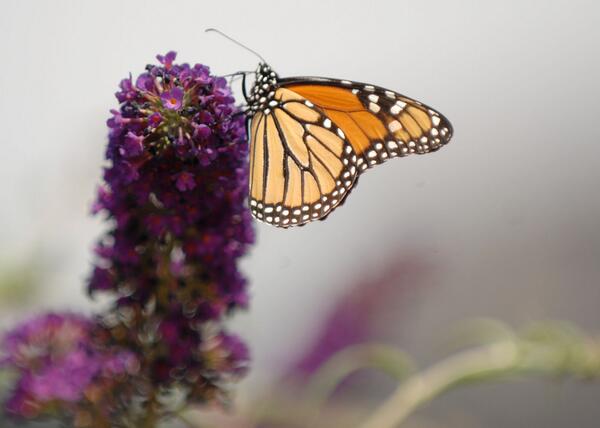
Learn about Butterflies Day [NYC Parks]


[Come help out at Astoria Park's butterfly garden]


www.nycgovparks.org /parks/FortGreenePark/ highlights

Fort Greene Park - Monarch Butterflies in New York City


The monarch butterfly (Danaus plexippus) may seem to be one of the most delicate creatures alive. But despite its frail appearance, every year the monarch makes a long and perilous journey thousands of miles south to escape the harsh winters of the North. While on this journey, the monarch can often be seen resting in the butterfly garden at Fort Greene Park.
The monarch butterfly begins its migration in September and travels for 30-45 days. Monarchs originating east of the Rocky Mountains and as far north as Canada make their way to the quiet, cool mountains of the Transvolcanic Region in central Mexico, about 60 miles west of Mexico City in the state of Michoacan. Migrating monarchs can be observed along the City’s beaches and coastal parks. Monarchs from New York City travel as much as 2,100 miles, averaging 50 miles a day, to reach their destination by the end of October. Resting in the chilly treetops, the butterflies hibernate for four months, covering oyamel fir trees (Abies religiosa) in thick layers that resemble black and orange leaves. During this period, the monarchs sit quietly with their wings folded, living off of fat reserves.
When the weather warms, usually in March, the monarchs come out of hibernation and mate. After mating, they begin their return trip to the southern United States. There they lay their eggs on milkweed (Asclepiadaceae) plants and die, entrusting their offspring to fend for themselves. The milkweed is an important food source for monarch caterpillars. As the larvae gorge themselves on the leaves, they accumulate the milkweed’s toxic cardiac glycosides and become poisonous to birds and other predators. An unknowing bird that tries to eat a monarch soon finds out how distasteful these butterflies are and vomits it up, and the bird learns to avoid the monarch’s distinctive colors. Many other species of butterfly, such as the harmless viceroy (Limenitis archippus), mimic the colors of the monarch with the hopes that predators will avoid them too. After about a month of feeding, the caterpillars pupate and metamorphose into adults. The adult monarchs continue the journey north and also lay eggs. By late June, the third generation of monarchs reaches New York City, and, by August, their offspring reach Canada. This fourth generation spends its time storing energy from nectar so they can make the long journey to Mexico in September. How monarchs are able to navigate their way across unfamiliar terrain is unknown. Some speculate that the butterflies rely on the earth’s magnetic field for guidance, while others believe that the directions are embedded into the monarch’s genetic code. Whatever the reason, the monarch remains one of the City’s most beautiful and enchanting sights. While monarchs are usually attracted to large fields containing milkweed, many can be seen in New York City parks because of selective plantings like those at the butterfly garden in Fort Greene Park.